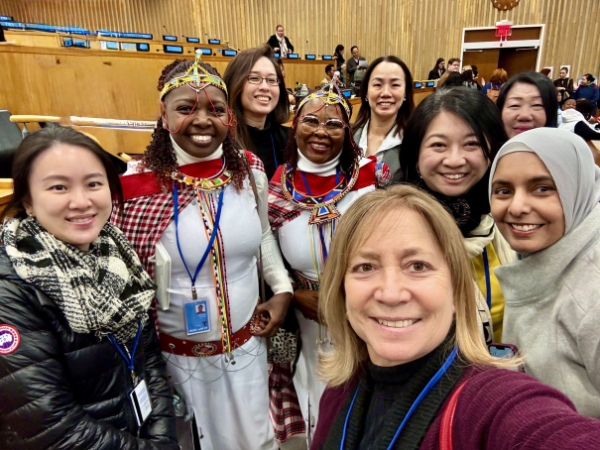
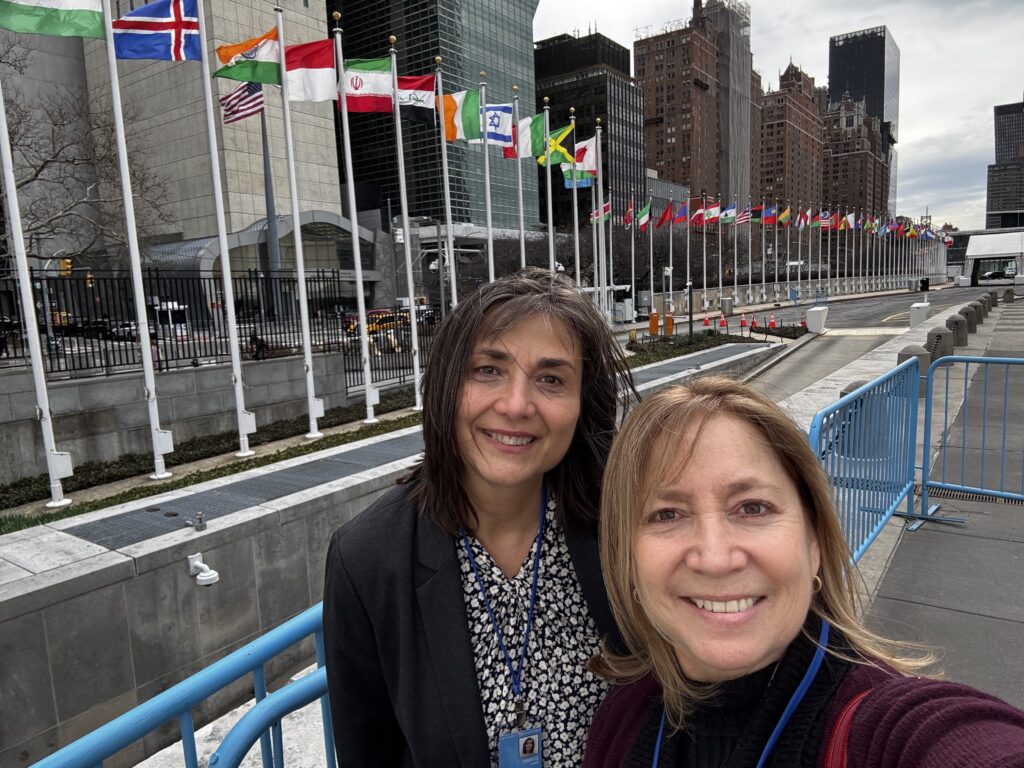
CSW 70 - 70th Session of the Commission on the Status of Women - The United Nations - New York
13th April, 2026
A divided global context
This edition focused on women’s full and effective participation in public life, decision-making processes and elimination of violence took place against an international backdrop characterised by a dual reality:
- a strong and organised movement in support of women’s rights
- a diversity – and at times a tension- in the visions and approaches for achieving this
are increasingly brought into dialogue—between global approaches supported by international
institutions and national perspectives rooted in cultural or societal contexts.
In this context, one conclusion stands out: progress on gender equality today depends as much on the capacity to act as on the capacity to engage in dialogue.
Education as a cornerstone
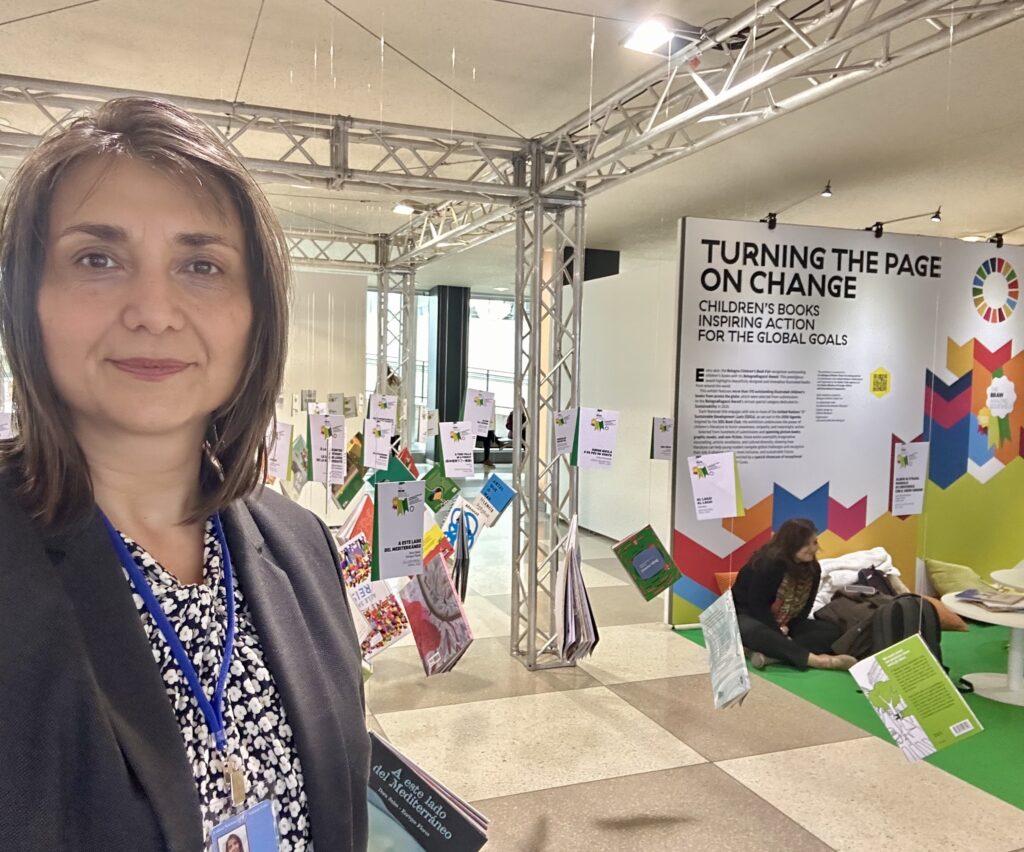
One of the most striking themes of this year’s event was the fundamental role of education (SDG 4) as the foundation for sustainable progress towards gender equality (SDG 5).
An exhibition at the United Nations headquarters, showcasing books from the Bologna Children’s Book Awards inspired by the 17 Sustainable Development Goals (SDGs), illustrates this idea: the stories, role models and imaginative worlds conveyed from a very young age shape perceptions of leadership, justice and the place of women in society.
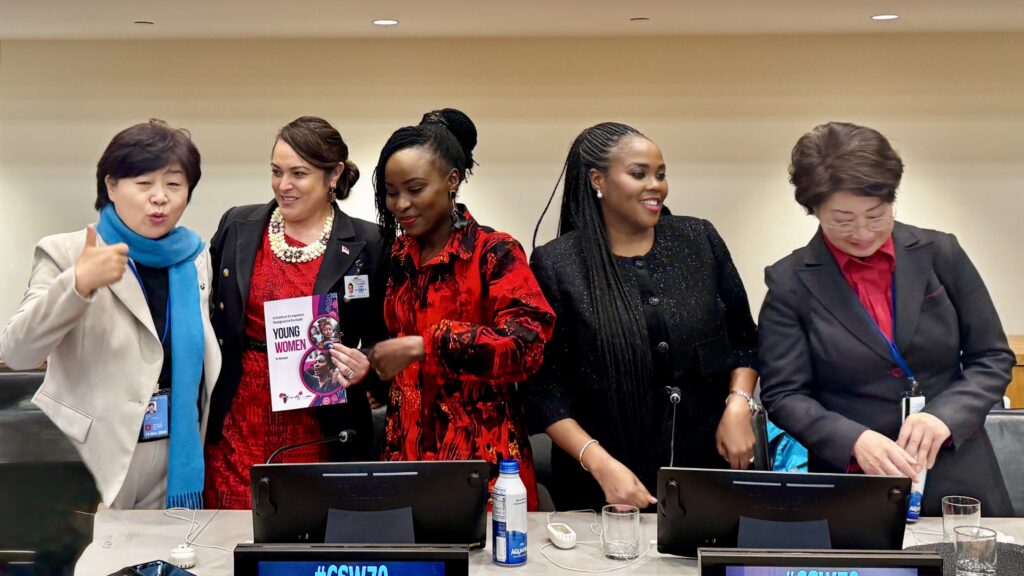
From participation to influence: the key role of young women
moving from the token participation of women – particularly young girls – to their genuine inclusion in decision-making and governance processes. Initiatives such as WYDE Women’s Leadership highlight the importance of:
empower young women to play an active role in peace-building, governance and development
establish mentoring schemes (youth advisors)
create sustainable pathways for women’s leadership
A particularly striking point concerns the role of universities. While young women are highly engaged in academic environments, their transition into political and decision-making roles remains limited, underscoring the need to better structure these leadership “pipelines.”
Digital technology: a catalyst for empowerment, a new source of vulnerability
The issue of digital inclusion played a significant role in the discussions, particularly through initiatives led by the United Nations system (WSIS, ITU, UNICEF, UNESCO, FAO, WHO, UN DESA, UN Women).
The conclusion is clear: digital technology is a major lever for expanding access to education, information, entrepreneurship, and civic participation. However, this development also brings a critical challenge: digital inclusion cannot be separated from the protection of women and girls in digital spaces.
- the rise of online violence
- risks of exploitation and manipulation
- the need for more protective and inclusive digital governance
Alliances, civil society and collective transformation
Dialogue platforms—particularly those involving networks such as the Coalition for the UN We Need—have emphasized the importance of:
- preserving open spaces for dialogue and consultation
- strengthening international frameworks for the protection of women’s rights
- supporting alliances between institutional actors and civil society
A broad consensus has emerged: mentoring, networks and alliances are essential levers for fostering sustainable and influential women’s leadership.
A transformation that goes beyond politics
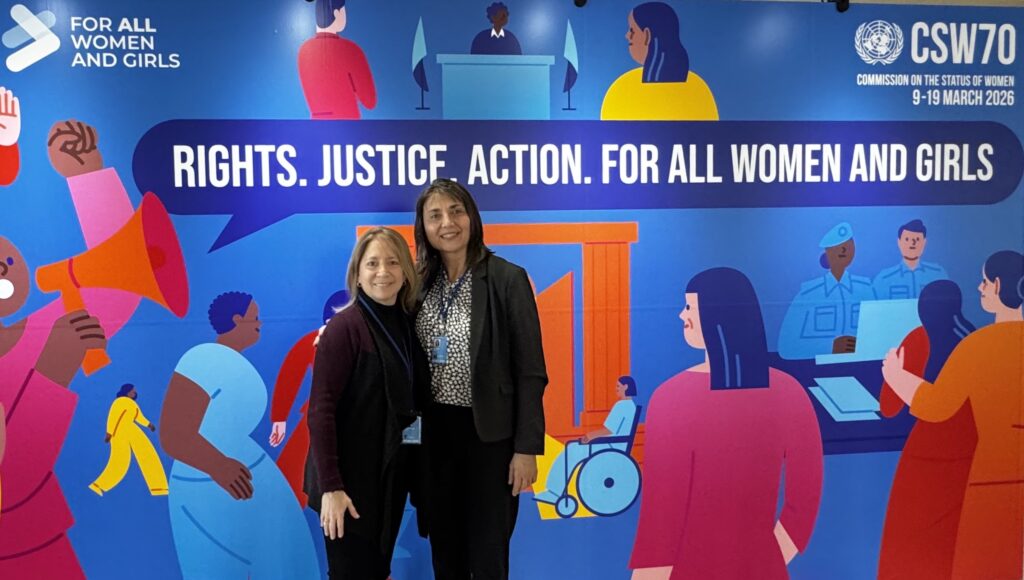
Beyond public policy, CSW 70 reminds us that gender equality is a profound transformation that affects institutions, education systems, technology, cultural representations and intergenerational relationships. For our NGO, this participation confirms the relevance of our approach centred on:
- Educating and transmission of knowledge
- Promoting inspiring stories
- Fostering dialogue between cultures and generations
- And highlighting meaningful and impactful initiatives
Gender equality cannot be achieved solely through legislation; it must be built through the narratives, life paths and alliances that shape our societies.
Want to join the movement?
☞ To make a donation
>> click on the link below:
Make a donation
Or send a cheque
made out to
“Les Amis du Projet Imagine”
Le Projet Imagine – 4 rue Saint-Saëns – 75015 Paris – France
Your generosity is key to support our mission.
Founded in 2010 by journalist Frédérique Bedos, the NGO of information « Le Projet Imagine » aims to create a movement of citizen commitment with a view to a more inclusive and sustainable society.
Convinced that everyone can activate their power to make the world a better place, it raises public awareness through inspiring films and involves the public in action-oriented programs that are in line with the Sustainable Development Goals as defined by the United Nations.These programs are deployed in schools and increasingly in companies, cities and prisons.
Since 2017 « Le Projet Imagine » is officially recognized by the United Nations.